National Poetry Month

Since April is National Poetry Month, I thought I would share a few original poems with you. I hope you like them. Feel free to comment.

Human Perspective

Juniper trees
Weeping Willows
Pine cone dropping
Hawks soaring
Below floating clouds
A tiny black ant
On a daffodil bud
Reflections of life
Perspectives we see
But still donโ€™t know.

Tribute to Marcus Allen

โ€œLord, I keep so busy serving my Master,
Keep so busy serving my Master,
Ainโ€™t got time to die!โ€ *

Of course, we ainโ€™t got time to die,
Singing these songs in the junior high chorus 1
Ainโ€™t nobody thinking about dying.
We got too much living to do – graduation,
High school, college, romance, make some money,
New clothes, new shoes, a car โ€“ No time to die!
We got to show our parents and our teachers
We got a future thatโ€™s better than theirs, so we
Gonna keep so busy working for ourselves
Until Marcus gets killed on his paper route.
Stabbed multiple times for the money he collected.
Never to sing โ€œSweet Little Jesus Boyโ€ ** again. His
Beautiful soprano subtracted from our harmonies
Now filled with tears and disbelief. The songs
We sing take on new meaning.

โ€œCouldnโ€™t hear nobody pray,
Couldnโ€™t hear nobody pray,
O Way down yonder by myself
And I couldnโ€™t hear nobody pray!โ€ ***


*Negro Spiritual by Francis Hall Johnson
**Christmas Song by Robert MacGimsey, 1934
***Negro Spiritual by J. W. Work, 1940

Adoption Party

He ran right up to me
Bright eyes, crooked little teeth.
Tapped me on the leg and said,
โ€œCome and see!โ€
Before I could answer,
Off he ran, leaving my heart
To wonder, โ€œIs this my son?โ€
So many children running all around.
All ages, all sizes, filled with energy.
Yet, I could still hear him
Above every sound.
Balloons popping, children screaming,
Workers trying to get everyone to
Settle down.

โ€œWe have to find him!โ€ is all that I said
We wandered in search
Of this four-year-oldโ€™s head
He had stolen my heart
To my husbandโ€™s surprise
We had found the one child
One face, one smile,
Amid so many, he walked right up to us,
A toy truck in hand, pulling my husbandโ€™s pant leg.
โ€œWhatโ€™s your name?โ€ I managed to say
He simply replied, โ€œCan you please play?โ€
He sat right down at our feet, spinning the wheels
And we joined him there. This is where a new life
With our son began.

More poems by Patricia Boyd-Wilson

Before Hindsight

In our family someone always says, “Hindsight is 20/20,” meaning you can see things more clearly after the fact. While you are in the middle of certain situations and circumstances you may not be able to analyze the value or the significance of an event. This is especially true when emotions are high. Hindsight can help us to see and potentially understand all components of the event as well as the players and their contributions. Usually, it’s during hindsight when we gain real knowledge and potential explanations that aids our character and earns our acceptance.

Death of a loved one is often one of those hindsight conundrums. My grandfather held my hand and called me by my childhood nickname the last time I saw him at the nursing home. I realized later he was telling me goodbye. At the time I thought it was unusual, and I wondered what made him use that nickname. It had been years since I heard it and never once in my adult life. Also, it was odd for him to reach for and hold my hand. We (my mom and I) attributed to some weird sense of sentimentality, but looking back I’m sure he was expressing his love for me and saying goodbye. How I wished I had comprehended that in the moment. I would have hugged him and told him I loved him too. I had missed an opportunity because he died two days later.

This event and several others got me to wondering if I could prompt hindsight to happen sooner, better yet to have insight to happen so I wouldn’t have to wait for hindsight in any form. Would it be possible to take a step back and understand the significance of an experience within the timing of the event? Can we stop multitasking in our minds long enough to be truly present in every situation?

Our level of being plugged-in all day every day is causing a disconnection in our relationships and experiences. We check our text messages while holding a conversation with a friend or coworker. We listen to a podcast while driving through the school zone. We type emails or watch news reels while sharing lunch with a colleague or a family member. We mentally review our to-do lists while attending a staff meeting or a social event. We are rarely truly present anywhere or during large parts of our day. We aren’t even able to draw insight from hindsight because we can’t fully recollect a single encounter. Everything is muddled and it’s hard to recall the who, what, when, where, and how of a past event. Like that day with my grandfather, there is no telling what I was thinking about at the time. I’m not sure I didn’t have my phone in my other hand. I have no idea what was said just before that moment. I can’t tell you if nurses, orderlies or other patients were present. All I really remember is him eating the coconut cake we brought him and at some point, he took my hand and called me Squeaky. Why wasn’t I fully present? I do not know.

Now I find myself asking what’s going on here; what’s happening here. I try to take the time and the initiative to look people in the eye when they are speaking. I make an effort to put my phone on mute and away during meals and social gatherings. I check my emotions as well. It’s important to know how I’m feeling’ what am I bringing to the situation emotionally. For example, if I’m already angry about something it may not be a good idea to have a serious discussion about my current project. The anger may flow over into a new situation that has nothing to do with the current topic of discussion. Sometimes I have to make a concerted effort to put other matters on the shelf for a later time.

There’s a little praise song we used to teach the children, it says: “I command my hands to praise the Lord, I command my feet, to praise the Lord, I command my mind to praise the Lord . . .” Being present is like that. I have to call myself to be present by commanding my ears to hear and listen, my eyes to notice and observe, my mind to stay focus on the now. Chock this one up to my writer’s weirdness, but I like to call my senses to participate as well. You know how a smell can carry you back to an occasion or a person, our senses come into play when we are fully present. There was a time when these things could be taken for granted, but not today. Today we must be more intentional – more mindful and more attentive.

Hindsight is definitely informative at times, but we cannot discount foresight and insight. Active listening, attentiveness, and elevated senses can increase our ability to see and understand what’s happening in front of us. Our vision will not be dependent our ability to replay an event. Afterall, the nicest and best gift (present) we can give or receive is someone’s presence.

“I Don’t Want to Miss a Thing!” Try commanding yourself to be present. Start with your family and friends, then extend it to your colleagues and community. Peace.

Substitute Dad
He was my motherโ€™s father, but my daddy most of all
Whenever I went to him, he gave me his all.
Tall and strong and funny too,
In my younger years, he replaced you.

In the house, he baby-sat
And sometimes he took me to the track.
I couldnโ€™t have asked for a better dad
Even though I wasnโ€™t the only grandchild he had.

He called me โ€œSqueakyโ€ as his pet-name
And gave me things Mom thought was insane.
He embraced my dreams and gave me his time
When I cried and screamed, he didnโ€™t seem to mind.

Year after year, he was present and available
His love, his strength, his tender loving care was so dependable
I learned from him love unconditional
You see, his love was never provisional.

Yes, itโ€™s true, he spoiled me
By being the best substitute dad, he could be.

In memory of John โ€œDaddy Kirkโ€ Boyd

The Far Away Place

Have you ever found your body present in a location and yet you felt far away? I don’t just mean your thoughts are far away from the position of your body, but all of you feels at a distance from everyone and everything around you. It’s almost like you are watching yourself from another dimension. That’s how I’ve been feeling lately – far, far away. Sometimes I see myself moving from project to project or room to room without making a connection with anything around me. This could be compassion fatigue. It could be a defense mechanism or perhaps it’s depression. Maybe it is simply an emotional disconnect to protect myself from the next harsh thing, but it feels like a distant place.

While I was away, I worked on writing and finishing my latest book of short stories and poetry, Talk from the Family Tree. (It’s in the editing process now.) I also worked in the classroom with my elementary school students, my GED students, and my Life Class participants. I’m not sure how much of this was ritual and habit, and how much was innovative teaching. There were days I tried to zone out at home on video games or TV shows such as holiday cooking contests. I prepared meals for the family, petted and walked my dogs, washed clothes, and read a couple of books. Still, I felt absent and far away from every task. I was moving along the continuum of my life without truly participating in my life. I missed my blog, and I missed my friends. I also missed loving routines and conversations with my family. The only thing I was truly able to focus on was crocheting. I made a lap mat for a friend’s birthday, and a loop scarf for a holiday gift. Now I’m working on a winter scarf and hat.

Crocheting forced me to concentrate on the stitches and the number of rows needed to complete the items. It takes my mind off worrisome issues like critical health issues of family members and the death of a legacy member of our community. Crocheting is a land of double crochet, single crochet, turn begin new row. Yet, I would use up a skein without realizing it and have to pull some of my work out to add a new skein. I was always shocked that the thread ran out without warning. So, I guess I wasn’t fully there either.

Perhaps these feelings of being far away was just wishful thinking on my part. Sometimes I bring up some soothing instrumental jazz on YouTube with a warm cabin scene and a picture window to watch the rain or snow fall. There would a fireplace and a cup of coffee or hot chocolate on the table along with an overstuffed chair or couch. The fireplace and window are my favorite parts. I could easily picture myself sitting there enjoying the solitude, the scenery, and the music. These times are so peaceful I can feel myself relaxing just thinking about them. They remind me that the faraway place does exist and may be only a cabin rental away.

Some people would describe this state of away-ness as melancholy. According to the Oxford Dictionary, melancholy is “a feeling of pensive sadness, typically with no obvious cause.” While the Free Dictionary and the Merriam Webster Dictionary describes melancholy as “a gloomy state of mind, characterized by depression of spirits and dejection.” In ancient times melancholia was treated by bloodletting baths, exercise, and diet. Attempts were made to relieve the body of too much black bile. Some even theorized that melancholy came from the supernatural realm such as ghosts and demons. In that case a hole was drilled in the person’s head to release the evil spirits. Today, melancholy fits into a broad field of mental illnesses and is treated with talk therapy and/or antidepressants. While I am not a doctor, I know that research is ongoing to fine the cure and causes of major depressive disorder. Depression can stem from biological, psychological. and socio-emotional factors. No two cases are necessarily alike. Thank God we live in a time when the stigma is dying out and therapee is more readily available.

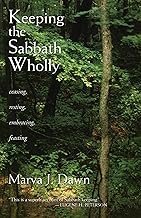
Am I depressed, or experiencing melancholy? I don’t think so. At least this does not feel like the bouts I’ve had with depression in the past. Maybe I just need a vacation from the rat race. Or perhaps I need some respite time away from being a caregiver, a teacher, or the “go-to” person. Perhaps I need to reinvent myself again. I do miss having my own business and calling my own shots. For certain, I need my Sabbath rest; being on 24/7 is not good for anyone. We’ve allowed multitasking and being connected to technology to take over our lives eliminating our time to renew, rest, and reflect. We need to give ourselves time to just “be.” I needed time to just “be.”

I am learning to allow myself to just “be.” I don’t need to over analyze my state of being, nor do I need to seek immediate changes in my lifestyle. I can simply trust my circadian rhythm to regulate the function of my mind and body. Intuitively and internally, my body and mind know when I need to rest, when I need nutrition, warmth, and natural light. Through the years I have learned how prayer and nature soothe my soul. I can rely on the Holy Scriptures to center and ground me when tests and trials challenge me. So, it’s okay to allow myself to retreat to the far away place until I’m ready to fully engage and connect to the here and now again. Afterall, I am still functioning in the present while my heart and spirit are shielded by the barrier of tranquility in a distance dimension. This is my coping mechanism nothing more, nothing less.

How do you give yourself a break from harsh realities? Do you meditate, exercise, go to a retreat center, call your parents, read poetry, cry in your bubble bath, or speed down the freeway like a race car driver leaving your troubles behind? How do you cope with unpleasant things and high demand? Do you see your therapist? Do you physically remove yourself or mentally disconnect? I would love to hear from you.

Shalom and Happy Holidays and Holy Days.

PS: Here’s a couple of titles you may enjoy reading:

Protect Your Peace

Not too long ago I was talking to my oldest granddaughter about some family matters and was suggesting she get involved. She surprised me when she said, “No thanks I have to protect my peace.” When I asked her what she meant by that she explained how certain situations and people sabotage your peace by making their issues your issues or by creating drama where there should be no drama at all. That conversation made me evaluate my boundaries. Was I protecting my peace or giving others permission to take it away.

These days peace is a precious commodity. There is so much chaos in our world. Admittedly, some of it is people creating unnecessary drama and some of it is the result of community trauma. The source of the loss of peace can be the daily news broadcast or unfounded theories and speculation about the future by religious leaders. Gossip can be a peace thief as well as worry and anxiety. General bad news about the economy, politics, the housing market, the educational system, food contamination, and automobile call-backs bombard the walls of our peace. Family or personal illness may be the culprit as well. Still, it’s really up to us to protect our peace. It’s up to us to determine what things we allow to reside in our minds and rob us of our peace. We choose the importance of an issue, and we choose the exposure we want to have to peace disrupters.

During the worst days of the Pandemic, my mom became an avid news watcher. The things she saw on TV upset her terribly. Sometimes she thought the repeated stories were new events and that made it worst. I asked her to stop watching the news so much and to watch things like cooking shows and game shows especially before bedtime. The daily local and world news was affecting her sleep, her appetite, and her general peace of mind. There seemed to be nothing but bad news. There are many people who act like the news broadcast, they are the source of bad news in our lives. Whenever you see them or talk to them, they have nothing but upsetting news to report. Their media feeds are filled with it; they have negative opinions about everything. They have the same effect that watching the news had on my mom and we must choose to turn them off.

It may be hard for you to think about cutting people off, especially family members, but healthy boundaries create healthy lives. Our minds can only take so much stress before it takes its toll physically and mentally. That’s why setting boundaries in relationships is important. We should set our expectations when interacting with others, as well as they should set their expectations for interacting with us. This will ensure our physical and emotional comfort and clarify individual responsibilities in the relationship. For example, I refuse to discuss politics with anyone because political discussions have become so divisive. This is my personal opinion and my personal choice. I do not ask others to follow my preference, I simply let them know where I stand and quietly bow out of the conversation. I cannot be prodded into joining a conversation about politics. If my boundary is not respected, I physically remove myself from the company of that person or persons.

Sometimes protecting your peace means using what you already know about a situation or an individual. If you know certain people like to keep confusion and chaos going, avoid their company. If you know someone whose pastime is arguing. Avoid group conversations with them. Avoid having to be defensive in relationships and don’t be afraid to tell people about your boundaries. You don’t have to offend them or ask them to change. It’s really about you and not about them. They are allowed to be who they want to be. You can simply say, “I would rather not have this discussion.” Or “Please excuse me I have to leave now.” Or “thanks for the invitation, but I won’t be able to come.” We can find creative ways to protect our peace.

I would be remised if I didn’t also say we should hold close those people and surroundings that bring us peace. Certain people and places make you feel comfortable and welcomed. Around them you can be your authentic self, and you know they are being authentic with you. Or perhaps there’s a place that calms your spirit and bring back that peace of mind you long for. My best friend is one of those people. We can talk or not talk when we are together, it’s comfortable and we have genuine love and respect for one another. We can enjoy many things together because we have similar likes and dislikes. I’m peaceful in her presence. Most of you know my go to place for peace is the river or the ocean, but truly any source of nature brings peace to my soul. I have my desk facing the window so I can see the trees and the birds in my backyard (and the creek waters in the rainy season). So, it’s not just about blocking boundaries, it’s also about opening boundaries to let the right things in.

Do you have peace in your life? Are you the source of confusion and chaos or is it another person or group? Is your peace important to you? Do you savor peaceful moments? Do you know how to protect your peace? I would love to hear your perspective on this topic. In the meantime, may peace abound in your life more and more,

Be Safe. Be Kind. Be peaceful.

Sunset Over the Ocean

Community = Common Unity

“Community” is on the lips of every local politician and every civic organization. Whether schools, churches, or mosques we all want to see stronger communities; but what do we mean by community. When we say community where are the boundaries and borders? Is it a one block radius around my house, or the whole area of the housing development? Is it the designated name of an area used by voting districts or property taxes, or is it the area used for postal services by zip code? In smaller towns is it the whole town or just the city limits? Perhaps it is time define or redefine community for everyone.

If you study the etymology of the word community you will find its origins in Latin, and Old French. In Latin it is the word “communis” meaning the same and “communitas.” meaning common, public, shared by all or many. Our English word community is an adaptation of these words from the Old French word “communaute” which refers to public spirit or commonality. Outside of the fact that I love studying the historic context of words it always interests me that most words we consider to be “American” are actually borrowed words from other languages. Needless to say, over time words seem to take on new meanings and lose their intended and original definition. So, allow me to simplify the meaning of community for this blog post as derived from this background: Community equals Common Unity,

Several weeks ago, a huge oak tree fell in my front yard. We were lucky that it fell at an angle, so it didn’t hit our home or the homes of our neighbors. It did fall across the street and left limbs and debris in our neighbors’ yards as well as blocked the entire street. A young man came over from the end house and offered to help my husband clean up the debris and cut and remove the tree. It turned out that he owned a tree cutting and removal business. Another neighbor from the cul-de-sac came with power saw in hand to help with the cleanup too. The young business owner finished the job of removing the fallen tree and proceeded to cut bad limbs on other trees in our yard. He also pruned my crepe myrtles and inspected other trees on our property. When my neighbor to my left came home there was no evidence that our tree had left limbs and leaves all over her yard. It turned out that this young businessman who was relatively new to the neighborhood has helped people all over the neighborhood. When asked what was really in it for him, he said, “This is my community it’s our job to help one another.” Imagine that. This young man saw our entire development as his community.

That fact is disaster has a tendency to draw a community together. Floods, hurricanes, fires, all these things bring families and neighbors together because they are experiencing “communitas.” Trauma, grief, upheaval, and lost is the commonality that brings everyone together. Differences are put aside. Unity of purpose is understood in terms of survival and rebuilding. This is commendable, but also temporary. I am always amazed how people come together from all over the country to help individuals in these disastrous situations. Yet, why should it take catastrophe to remind us that we are one community.

Before calamity happens, we have a common unity. Every parent wants a good education and a safe environment for their children. Every bread winner wants to make enough money to take care of their families. Renters want to become owners. Owners want to maintain their property values. Everyone wants to have nourishment and clean water to drink. All people need clothes appropriate for the weather and affordable housing. Healthcare and retirement income are all common needs amidst the aging. Everyone sheds tears at the loss of a loved one. Everyone is pursuing happiness – the so-called American dream. These are not political talking points; these are community needs. These are the things we have in common with our neighbors and others who live in our region. These are reasons for us to relate to one another and to help one another. If you really think about it, we have more in common than we have as differences. Pain, fear, hope, dreams, struggle, thriving are all part of our common experiences.

Rather than allowing politics, racism, sexism, classism, and other social economic circumstances to polarize us why can’t our commonalities unify us? We breathe the same air. We walk or drive the same streets. We have the same desires for our families. This is not rhetoric; look around our world. Here’s the reality and if we are not careful, we will create more disasters to draw us into unnatural communities. Let’s remember our common unity before things around us get worst. We should build our community to make it stronger by stepping in to help in any way that we can. Like the young businessman I mentioned above, we can use our expertise to make our communities better. Like the neighbors that came to help us, we can use our collective efforts to fix and clean up our shared space.

It’s time to unify. It’s time to be a real community. It’s time to capitalize on our common unity. PEACE!

Photo by Kaique Rocha on Pexels.com

Dream-ability!

Where do dreams come from? Are they purely an ability to imagine and propel our thoughts into different scenarios or are they produced from our subconscious desires? Are they embedded impressions stored in our brain from past experiences or conversations, or do they come from nebulous subliminal messages through the multi-media airways? Perhaps they come from another realm of existence such as angels, ancient ancestors, or the supreme divine source. I’m sure there are many explanations, but one thing is certain – people of all ages dream.

There are daydreams and dreams that come when we sleep. There are dreams (goals, plans, hopes, wishes) for a happier more prosperous future as well as dreams to change the past. There are dreams that are filled with fantasy and magic, and there are dreams that need strategic planning. There are dreaded dreams like nightmares filled with doom and gloom, and night terrors filled with danger and life-threatening disasters. Some people dream with perfect recall, while others barely remember any details at all. Dreams can be ethereal and almost impossible to capture the necessary details. Dreams can seem like an additional sense providing intuition and premonitions about the living and or the dying. Dreams seem to exist on many plains and levels of consciousness both tangible and intangible. Dreaming does not have fixed boundaries; everyone has the capacity to dream.

Doctors (MD’s and Psychologists) seem to believe vivid or intense dreams happen during REM (Rapid Eye Movement) sleep. (Mind you this is from my cursory reading on the subject.) They say this is when our brain is most actively engaged in the same way it is when we are awake and involved in some stimulating activity. On the other hand, daydreams happen when we allow our minds to drift and lack external stimulation, more likely when our attention is focused on feelings or imaginative thoughts – a sort of wishful thinking. In reality, information about one’s dream-ability is speculative. Doctors cannot see the dreamers’ dreams to examine them. They are dependent on the dreamer’s ability to recall and interpret the dream accurately which means even the recall and the interpretation is subject to human error. Most dreamers add commentary to explain their dreams. So, doctors look for patterns and listen to complaints when dreams cause mental anguish or peculiar behavior such as sleepwalking and insomnia. In this discussion mental illness is not our point of reference. By all means if your dreams disturb your life, see a physician. I am talking more about how we interpret the dreams that we have from time to time without trauma or external stimulation from drugs or alcohol. In other words, what do your dreams mean to you.

When I was a little girl, I remember our landlord always asking me what I dreamed. She had a dream book, and she would tell me what the dream meant according to her book. It seemed a little goofy to me, but she was quite serious about it. Eventually, my mom made her stop asking me about my dreams; she said the landlord was using my dreams to play the numbers. I had no idea what that meant until I was much older and read a book entitled Daddy was a Number Runner by Louise Meriweather. Not only did I have very vivid dreams when I slept, but I could stare out the window and dream an entire episode of travel and adventure. At any rate, I stopped telling anyone my dreams except my journal.

As I got older, I dreamed about my ancestors. In my dreams they seem to have messages for me. Sometimes they were people I had actually known, and other times they were people who had died before I was born. I shared these dreams with my grandmother who would try to figure out who the people in my dreams were. One person, my grandfather’s mother would appear in my dreams often. I felt like she came to protect me from danger. One time I described her hat to my grandmother, and it seemed to spook her. My grandmother pulled a big hat box from the top of her closet and showed me the hat I had described to her. It was a gift from her mother-in-law given to her before I was born. After that my grandmother believed me when I told her dreams about my great-grandmother, her mother-in-law who died when I was two years old. As I grew older, I learned not to share my dreams with adults because of their strange reactions to them, and sometimes to me as well. Apparently, a vivid imagination was not good for a young girl and foreknowledge, or foresight was too eerie or mysterious.

To this day, I keep a dream journal. Some dreams I chalk up to too much cabbage and cornbread or horror movies. (There is a theory that when you eat too much it can give you crazy dreams like watching too many scary movies.) Sometimes I wait to see if the dream is repetitive. At other times I try to decipher a message from them. Either way, I don’t dwell on them, because they are what they are – just dreams – until they prove otherwise. I don’t dream all the time, at least not that I can remember or recall, but on the occasion that I do I jot down what I can remember without commentary. If it leaves a particular impression, I write that down as well. I have learned to use discretion in sharing my dreams; however, I do have some friends and family members who have similar experiences with dreaming. I am certain that some of my creativity comes from my dream-ability. Writing stories can be like an awake dream of characters, places, and scenes. It’s like a preternatural gift that allows me to see more and feel more in addition to my five senses.

Whether dreams are a series of images produced by the brain unintentionally, or a self-indulging product of our own desires and thoughts, dreams can be useful tools for creativity and healthy imagination. I venture to say that all art forms: music, poetry, prose, lyrics, graphics, design, dance, etc. comes from one’s ability to see something outside the range of normal vision. Inspiration and even aspiration can come from a lingering daydream. Worlds can exist outside of our normal range of reality because of a person’s dream-ability. Foresight, insight, perspective, and stimulation can arise from one’s ability to dream. Whatever you attribute dream-ability to it sets us apart from the animal kingdom. We are able to hope, to set goals, to implement wishes, and accomplish bucket lists because we can dream. We follow intuition and premonitions based on our ability to imagine outcomes in our mind’s eye, a form of dreaming. The visual aspect of our dream-ability helps us create the faith we need to open and close doors in our daily life’s journey. How you interpret your dreams makes all the difference. Are they possibilities or impossibilities? Are they precursors to invention or forewarnings for potential failings? Are they comical reliefs for a stressful existence or serious roadmaps for a thriving future? How do you use your dream-ability?

Dreams may demand interpretation, but the interpretation starts with you. Take a little time to dream!.

Working with The Unexpected

This past week I accepted a job as a kindergarten substitute teacher. To my surprise, I had a second-grade class to teach when I arrived. The inner child in me wanted to pitch a fit and leave, but the teacher in me decided to work with the unexpected. That got me wondering how others respond to the unexpected in life. How do you respond to the unexpected? (No, really. Please share.)

Unexpected things in life can be both good and bad. You could get a promotion, that’s good. You could get a pink slip, that’s not so good. The doctor could give you a clean bill of health, or the doctor could pronounce the dreaded disease of cancer. A tree could fall on your house in a storm, or someone could rear end your brand-new car. Your favorite person could pay you a surprise visit. You could find out you’re having twins. The best restaurant ever could go out of business. The one you love could propose. Life is filled with unexpected challenges and pleasures. Sometimes we have to learn to work with them whether we want to or not. We would all rather walk away from disappointment and choose only the “good” things, but that’s not the way of life.

Many years ago, I thought I had achieved my dream occupation as an educator. A friend, my spiritual leader and I joined forces and founded a Chrisitan school. The school grew out of an academic summer camp I had been running for years. We named the school after my great grandparents Will and Mariah Jackson. We started with pre-kindergarten through second grade. Each year we added another grade until we reached grade five. Everything was going well. My godson handled the bookkeeping. My friend’s wife handled the day-to-day office work. The staff was well qualified, and the students were learning and enjoying their teachers and activities. Everything seemed to fall in place. We bought new furnishings for our classrooms from a local school district. A donor gave us enough computers to start a computer lab. This had been my dream for years because my children had been products of this type of school in California. My partner and I were happy with the impact of our little school. Then the unthinkable happened.

One cold winter night, my friend’s wife called me, “He’s gone,” she said. My friend, my spiritual advisor, my business partner had died. Out of nowhere he had a massive heart attack. There were no signs prior to this that warned us. There was no opportunity to bargain or change paths. It was devastating to everyone, especially his wife and family. Grief and sadness filtered down to everyone that knew him – the students, the staff, the members of his congregation, organizational leaders, and even the community at large. Even as I look back now, it hurts my heart. The loss was tremendous, and the empty space could never be filled by another. Eventually, I crumbled, and the school closed.

Why am I talking about this now? Because we live with the unexpected every day. Big things, like the one I just conveyed, and small things like having a cavity. The unexpected is to be expected. Mass shootings at schools, shopping centers, and places of worship; random stray bullets barrowing into homes; senior citizens being scammed out of their life savings; women and children being abducted off the streets, and major companies closing their doors for good are just a few of the unexpected things that can and do occur in our world today. On the flip side there are good, unexpected things as well – new community alliances that pass out food and clothing to the needy; the revitalization of Neighborhood Watch programs; young entrepreneurs creating new jobs; free lunch programs for school-aged children; and unexpected benefactors paying off student debt at the local HBCU. So many unexpected things can happen at any given moment.

Sometimes I find myself trying to explain the world to my 91-year-old mother and my 21-year-old granddaughter. Mom wants to know why things can’t go back to the way they used to be, and my granddaughter wants to know what to expect in the future when things are always changing. Mom experienced loss in so many ways during the pandemic – loss of friends and community, loss of the ability to drive and socialize, loss of freedom – she had to learn to live in a new kind of normal for her own safety. My granddaughter graduated from high school during the pandemic. There was no prom, no graduation ceremony, and no community celebration. Her first semesters at college were spent on-line in the dorm room rather than in person. None of the expected challenges or standards seem to exist in her new world. In other words, mom is trying to adjust to the impersonal world of technology and AI, while my granddaughter is trying to adjust to being thrusted into adulthood with all its responsibilities and none of its former assurances. Each of them – all of us – must learn to work with the unexpected.

We can’t allow the unexpected to leave us halted in fear. We can’t allow the unexpected to styme our growth or our dreams. We shouldn’t just stop in our tracks and wait for the next blessing or disaster to get us moving again. Nor can we allow corruption in high places to corrupt our moral compass and values. We must learn to work with the unexpected, because the unexpected is not going away. We have the tools to do it. We can network with like-minded people. We can elevate our problem-solving skills through study, lectures, think tanks, and podcasts. We can adjust our schedules, become change agents, form or change our inner circles while taking advantage of technology and interpersonal relations. We can work with the unexpected. We simply need to make and stick with a plan to move forward.

I have a friend who says you always need a plan C. C stands for courage, and we all need that when plan A and B fail. Plan C will help us ask for help. Plan C will help us admit it when we are wrong. Plan C will give us the ability to start over. Plan C will allow us to celebrate the victories of others even when our victories stop coming. Plan C will help us navigate and work with the unexpected with a “we can” spirit. In the Words of the Pointer Sisters, and for Women’s History Month, I leave you with the lyrics of their song: “...I know we can make it. I know dare well we can work it out. Oh yes, we can, I know we can, can. Yes, we can, can…” With a little courage, we can work with the unexpected.

Developing Character

As an author of short stories, I spend a lot of time trying to develop my characters.โ€‚Depending on the role each character holds – antagonist, protagonist, comic relief – their character must reflect their thoughts and actions. What is their back story?โ€‚What is their worldview?โ€‚What is the driving force behind their emotions and their relationships?โ€‚Character isn’t just the outward appearance of a person; it is also the inside makeup of that person.โ€‚If this is true in the world of make believe, how much more is it true for each of us here in the real world?

We are charged with being a person of good character.โ€‚Whether we have had a great life, or a life filled with hardship, we are tasked with what kind of character weโ€‚have.โ€‚Whatever role we play in society, our character is reflected in our interactions and relationships.โ€‚We have a choice in who we become.โ€‚We have a choice in what kind of person we want to be.โ€‚Unlike the characters in my book, we have a say in whether we are what we appear to be.โ€‚We can construct and develop our own character.โ€‚

I do know that some would argue against that last statement.โ€‚There are many who believe our back story and our environment make us who we are.โ€‚How many times have I heard that this child or that child is a product of their environment as if one’s environment is made up of a stagnant singular place.โ€‚What part of one’s environment has the most influence?โ€‚Home?โ€‚School?โ€‚Socio-economic Community?โ€‚How do we explain the differences in character of people who come from the same “environment.”โ€‚Why does one person rise to the top while another person scrapes the bottom of the proverbial barrel for a lifetime?โ€‚One individual chooses to rise above their circumstances.โ€‚Another person chooses to invest time developingโ€‚character and high standards of thinking and acting.โ€‚

So, what is character?โ€‚According to the Oxford Dictionary character is:โ€‚”the mental and moral qualities distinctive to an individual; strength and originality in a person’s nature; a person’s good reputation.”โ€‚These qualities include personality, temperament, outlook, and disposition.โ€‚The question becomes do we control these traits or does some outside force control us like the author of a book.โ€‚Do we have a say?โ€‚I think we do.โ€‚We have the ability to look into the mirror and decide what kind of person we want to be, and we have the ability to change.โ€‚

This week I decided it was time to clean my office.โ€‚In the process I came across my junior high and high school yearbooks.โ€‚It was interesting to read the comments made by my teachers and peers.โ€‚Many of these autographed inscriptions spoke to how they saw my future based on my character as a student and friend.โ€‚One of the characteristics that many of them seemed to pick up on was my ability to shut people out.โ€‚Some even connected this attribute with my temper and temperament.โ€‚So, they made statements like:โ€‚”If you stop being so evil you will go far.”โ€‚”If you let people see the real you, you have a bright future ahead.”โ€‚Several people said they wished they had gotten to know me better even though we had been classmates from elementary school through high school.โ€‚I can look at many of these comments and smile, but I also have to take in consideration how much I have changed or not since then.โ€‚Do I still cut people off?โ€‚Do I still appear mean and temperamental all these years later?โ€‚It’s interesting that my closest friends from that era (who are still in my life today) still see me the same way.โ€‚While friends and colleagues who never knew me before, see me as outgoing and congenial.โ€‚Very few classmates saw me that way.โ€‚This speaks to outward appearances as well as personal responses to people and circumstances.โ€‚

We can develop our character to present a different set of traits in various situations.โ€‚Different people may know and see us in different ways than others.โ€‚Yet, our character should not have a Jekyll and Hyde persona.โ€‚If we are good moral people, this should be obvious in all circumstances.โ€‚If we are kindhearted and fair, it should manifest in our speech and actions.โ€‚If we are reserved and tactful, no one should be able to describe us as radical and outrageous.โ€‚If we are even tempered and ethical, riotous rage should never explode uncontrollably from our tongue or actions.โ€‚We can develop our character by our life choices every day.โ€‚We can change what we don’t like, and we can enhance what we love.โ€‚Our choices may determine our future successes and defeats as stated by my old autographs, but it may also lead to better and safe communities. โ€‚

Some of the ills in our world today go back to character development.โ€‚Our communities need good characters – persons who consider good citizenship, neighborliness, and moral consistency to be the qualities of maturity and health.โ€‚As an author, I don’t want to create a book filled with antagonists.โ€‚This would be a hostile adversarial environment with no relief in sight.โ€‚How would the story end?โ€‚More than likely, it would end in self-destruction and hopelessness.โ€‚Every story needs a protagonist to support and champion a good outcome.โ€‚Our real world needs more protagonist:โ€‚heroes, heroines, advocates, champions, opposers of evil and destruction.โ€‚Character development can help in a mighty way to transform our antagonistic world.โ€‚

May we all continue to work on our character and help our youth to develop good character that will transform their lives and ours.โ€‚Happy MLK Jr. Day!

I have a dream that my four little children will one day live in a nation where they will not be judged by the color of their skin, but by the content of their character.”โ€‚โ€‚Martin Luther King Jr.

It’s Not Too Late to Give the Gift of Presence

I have spent the better part of my life around my elders – my great grandparents, great aunts and uncles, grandparents, and the elderly members of my church and community.โ€‚What I know now that I didn’t know then was each one of them gave me an intangible gift of their presence.โ€‚I was never dismissed or overlooked by them,โ€‚they made me feel important and interesting.โ€‚Today, we call that “being seen.”โ€‚We were not just physically together we were emotionally and spiritually together.โ€‚They saw me and I learned to see them.โ€‚They were fully present with me and that is a priceless gift that I still cherish to this day.โ€‚

I remember fleeing the city and landing on my great aunt Katie’s porch.โ€‚It was the one place I could go and feel safe and loved.โ€‚We had an agreement that she would not tell anyone I was there.โ€‚She and I would sit on the porch and talk until the lightening bugs came out.โ€‚Sometimes we just sat and listened to the radio.โ€‚I wrote lots of letters and sent lots of cards when I couldn’t leave the city.โ€‚It kept our connection going even across the miles.โ€‚I had the same kind of relationship with my great uncle Fred.โ€‚I loved to hear the stories of his travels and his work.โ€‚He is the only one of my relatives that drove all the way from Tennessee to California to see me.โ€‚He and I shared a love of gospel music and antique things.โ€‚I could tell these two people anything in confidence.โ€‚They listened with their hearts and shared their lives generously.โ€‚Lord, I miss them, but memories of their presence in my life brings me comfort and peace even now.

These days it seems that we spend far too much time and energy trying to give tangible gifts.โ€‚We seem to believe material things are the best gifts.โ€‚Perhaps we have been sucked in by the myriad of commercials that bombard the airways.โ€‚Or perhaps it’s a matter of convenience, a quick transaction.โ€‚It takes far less time to purchase a gift card than to sit and commune with someone.โ€‚At any rate, we tend to use our purchasing power more than our interpersonal interactive power.โ€‚Things get set aside, regifted, or simply forgotten over time.โ€‚We tell ourselves it is the sentiment that counts, but is it really?โ€‚How much more sentiment does the gift of one’s presence give?โ€‚

Activities, conversations, and time spent together are invaluable.โ€‚I love when we sit around the table or in front of the fireplace talking about our experiences and dreams.โ€‚Conversations that trigger fond and intimate memories is a remarkable treasure.โ€‚When we spend time laughing or crying with people it creates a special bond.โ€‚When we share activities together like fishing, or making cookies, or patch working a quilt, or playing a board game, we create memories that can be treasured for years to come.โ€‚After the gift card is spent, or the gift is exchanged or packed away, the moment fades away and becomes a vague recollection of the season or occasion of the little time spent with the people we associate with.โ€‚

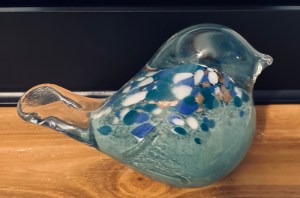
The tangible gifts we can recall are the gifts of thoughtfulness.โ€‚Perhaps you received a handmade gift from your grandchild or a well-thought-out gift from a friend who knows all your favorite things.โ€‚These kinds of gifts have presence attached to them.โ€‚The giver knows you, loves you, and carefully chooses what they know you will like and cherish.โ€‚For example, one of my dear friends and prayer partner gave me a beautiful glass bluebird last year.โ€‚This year, she gave me an artist drawn calendar of birds for 2024. She knows I love birds and I’m an amateur bird watcher.โ€‚There was no particular occasion, she saw these things and thought of me.โ€‚Why?โ€‚Because we have given each other the gift of presence for a number of years.โ€‚She knows me.โ€‚She cares for me.โ€‚Just thinking of her right now brings a smile to my face.โ€‚We have taken the time to invest in our friendship – real time and real communion.โ€‚

It’s not too late to give the gift of presence to someone in your life.โ€‚Perhaps there is that friend you have been meaning to call and catch up with.โ€‚Perhaps there is a relative you saw at the last family funeral, and you said: “Let’s not meet this way again, let’s get together soon.”โ€‚Perhaps there’s an elderly neighbor who could use a little company every week or so.โ€‚Or maybe there is someone in your life who has given you the gift or their presence and you’ve not taken the time to tell them what they mean to you.โ€‚The gift of presence is intangible.โ€‚The value of presence is an indescribably investment – one that you can carry with you for the rest of your life.โ€‚

Someone you know needs the gift of presence not because it’s the season of giving and getting, but because there is nothing like being known and seen, honored and appreciated, received and treasured.โ€‚When you give the gift of presence you leave an indelible mark of true companionship and comradery that is priceless and continues to give for a lifetime.โ€‚As long as you have breath, it’s never too late to give the gift of presence.โ€‚

May the New Year bring you many gifts of presence and in this case, it really is better to give than just receive.โ€‚Happy 2024.โ€‚