We Need More Storytellers

Isn’t it funny how things from your childhood pop up from time to time. I can remember friends and adults telling me, “You better quit your storytelling.” I grew up in a generation where you didn’t use the word “lie,” you were either fibbing or telling stories. Today, I consider myself a necessary storyteller. My medium is narrative poetry and prose. My stories are mostly fiction with real life as a backdrop (aka: representational literature). I tell my own stories and the stories of my ancestors. I tell stories with morals and stories just for shear entertainment, but mostly I tell stories to connect generations. Trials, triumphs, struggle, hard work, hopes, dreams, love, family – these are just a few timeless themes that can reach out and touch members of every generation. In this case, I’m not just talking about the written word, I’m talking about oral storytelling – stories in the midst of conversation. We need more of these kinds of storytellers in our world today.

You don’t have to be an author of books to be a storyteller. Your life is full of experiences and relationships that create a storytelling opportunity. The time you had your first kiss, when you found out you were going to have a brother or sister, what it was like when you moved from your parents’ home or went off to college – these milestones and more are stories waiting for you to tell them. Things we can identify with and learn from can be found in the lives of other people. That’s why so many people love to read memoirs, biographies, autobiographies, historical fiction and to watch documentaries. We are interested in how people made their dreams come true or how they survived a crisis or how they overcame the obstacles of systematic societal phenomenon. We are fascinated by love stories and the work ethic and processes of a visionary. We even live vicariously through the adventures and travels of others. Whether you think of your life as mundane or extraordinary, you have a story to tell that no one else can tell quite like you.

As I talk to teenagers and young adults it always surprises me that they feel like they have to go life alone. As older adults we tend to blame their feelings of despair and detachment on cell phones and social media, but that’s not really the problem. The problem is all of us. We don’t engage in conversations the way generations did before the technology boon. I remember when there was only two ways to find answers: ask somebody or read a book or both. You couldn’t get an answer without a story. Young people are facing some of the same experiences and fears that we all have had. They could benefit from hearing how we conquered our fears. They could be encouraged by the stories of how we had to start again and again before we got it right or how we had to reinvent ourselves to stay current in the industrial age. They could find hope in the fact that we had so little but still accomplish so much with that little. I’m not talking about preaching or even teaching, I’m taking about sharing, investing, and leaving an indelible mark. Youngsters, teens, and young adults are a ready audience for your stories.

While we have an open audience for our stories, we can also be an audience for the stories of others. I spend a lot of time with people older than me. In fact, that’s part of the story of my life, I have always been around people much older than myself. Years ago, and today I learn so much from the older generation. Innumerable stories about the Great Depression, the First Pandemic, moving from the South to the North, domestic jobs, civil rights activism, faith, answered prayers, living among the famous, surviving wars, and so much more have been shared with me. Fascinating tales of trials and victories, love and family, death and hatred that I have not experienced except for someone being willing to share their story with me. Older adults love to talk about the “good ole or bad ole days.” Many of them are from the generation when conversation was the normal way of life. Conversation was the medium for obtaining news because everyone didn’t have radio or TV. Some of them could catch up on the party line (old fashion telephone network when several people shared the same line), or in the church yard, or the quilting bee, or the fields during harvest, or at the civic meetings held in the schoolhouse. They shared everything from obituaries to new births by talking to each other. Almost everything in the community traveled by word of mouth, and they haven’t forgotten a single word. Trust me, there are stories you need to hear from the senior adults in and around your life. Listening can bring joy to the teller and the listener.

Long ago, I ignored those persons who told me to stop telling stories. I don’t want to stop. I want to continue telling stories and listening stories. Stories make you laugh, cry, reflect, dream, remember and imagine. Stories help you empathize and sympathize with the life journey of others. Stories can bring healing and understanding as well as open up new avenues of knowledge for the listener. Stories form a union between the teller and hearer, an intimate bond over a shared experience. Stories are our legacy – the part of us that will live on after our transition to the world beyond. The world needs more storytellers. Are you willing to share your stories? Do you have an audience just waiting for you to begin the small tales and the large volumes of your life’s journey? Have you been privy to stories you can retell so that the legacy of the original storyteller live on? I’d love to hear from you. Tell me your story.

“Storytelling is important. Part of human continuity.” – Robert Redford

An Indelible Mark

During a recent author talk, I found myself talking about the investment that my ancestors made in my life. Because they allowed me to be curious and took the time to answer my incessant questions, they each contributed to the person I am and am becoming. The husky laugh of my great grandfather, the supernatural patience of my great grandmother, the academic prodding of my grandmother, the fervent prayers of my mother, the proud recitations of my great uncle – all these things and much more have left an indelible mark on my life and my worldview. This seems like the way it should be – each generation leaving their mark on the next. So, I ask myself, what kind of mark am I leaving. Am I truly investing my life wisely, practically, and usefully in the generations around me?

At that same author talk, one of the parents of a student I taught in preschool and prekindergarten many years ago was present. Her daughter is now in college and has become quite the young lady. Her mom thanked me for laying the foundation for her daughter’s academic success. I couldn’t help but wonder if her daughter felt the same. Would she remember me the way I remember her. She was a bright and curious child, eager to please and filled with love and laughter. Beyond the academics, we laughed and danced, sang and read, and used the scientific method to investigate everything. She was one of many groups of children that have crossed my path as an educator and caregiver. I can only hope my methods left a positive impact on their young lives.

Not too long ago, I went into a bank to make a deposit for my mom. She and I stood in the line for several minutes before being called to a window. The young man at the window greeted us both by name before we presented any documentation. He said, “You don’t remember me, do you?” I had to admit I did not, nor did my mom. He introduced himself and told us he remembered us from a summer camp experience when he was in elementary school. He and his sister attended the program two years in a row. I ran the summer camp, and my mother ran the cafeteria program. He said, “Those were the best summers of our lives. I will never forget the field trips, the science experiments, and the kick ball games as long as I live. I wish y’all were still around for my kids.” Wow! I stood there proud and amazed. The summer camp and all its employees had left an indelible mark on this young man’s life.

I had a similar experience at Wal-Mart. This time there were two young men. One was a customer and the other a cashier. The customer said, “Aren’t you Ms. Wilson?” I hesitantly said yes. Then he said to the cashier, I told you so. I said, “You have me at a disadvantage who are you?” The customer started singing, O Holy Night. I laughed. During the years, when I worked for Will-Mariah Christian School he had sang O Holy Night for several of our Christmas programs. He was the older brother of one of our students. The cashier said you probably don’t know me, but you taught my little brother, and he told me his name. Little B (I’m withholding names because I didn’t get permission to use them. B was not his real name.) was hyperactive and very bright. He ran the teachers ragged and was sent to my office on a regular basis, but I never gave up on him. “OMG,” I said, “How is he, how’s your mom?” “He’s doing well, better than me. He joined the military and is stationed in N. Carolina. Mom is good. I can’t wait to tell her I saw you.” I not sure what kind of impact our school and staff had on these two siblings of our students, but apparently something touched them and stuck out in their minds; something that they had not forgotten over the years.

Each of us have an opportunity to leave an indelible mark. It doesn’t have to be academic in nature. It can be an act of kindness or sharing a story, a bit of food, or finances. It can be conversations or visits to a nursing home or children’s ward at a hospital. Encouraging words and expressions of faith in someone’s ability may be just the thing to make a marked and positive impact in someone’s life. Being a source of comfort or inquiry – a safe place for questions to be asked or secrets to be shared can leave an indelible mark which can be passed on to others by your example. It’s all about taking the time to invest your life in the lives of others – your time, talent, and treasure. (https://bene-log.com/2020/01/16/personal-investments/) It’s all about letting people know they are worth it. It’s about giving the gift of presence and wanting the best for others. (https://bene-log.com/2023/12/28/its-not-too-late-to-give-the-gift-of-presence/) Like all good things this can start at home and spread abroad.

What kind of mark are you leaving on your children, your grandchildren, your nieces and nephews? What if the only marks being left are negative and ugly – the marks of the world around them, rather than the marks of those who love them? Do we really want the marks that cannot be removed, erased, or forgotten to be all negative? I certainly don’t. I may not be able to stop those who choose to be the devil’s advocate, but I can certainly do my part to leave a legacy of positive impact. That’s what Bene-Log is all about – leaving a good word wherever I can.

Here’s a quote to live by: “Do all the good you can, by all the means you can, in all the ways you can, in all the places you can, at all the times you can, to all the people you can, as long as ever you can.” – John Wesley

Now that’s a good word! PEACE!

My mom and I

No Regrets

Today I received a survey from my undergraduate alma mater. It asked questions about the foundations taught there and whether they helped me in life today. At first, I thought that was so long ago, I have no idea; but, to my surprise I remember a lot. My experience had been great and challenging. I remember my professors and classmates. Indeed I learned a lot that I still use today. I learned how to do research, write nonfiction essays and public speaking. I also learned other skills such as keeping a budget and utilizing my time wisely. There was so much more to my college experience than academics. The final survey question was: “Would you choose this college again, if you had the choice today?” I answered absolutely. I have no regrets. I would recommend that my college to anyone. (The Master’s University in California)

Wouldn’t it be great if we could say we don’t have any regrets at all? Unfortunately, regret seems to be a part of life. Whether it’s due to difficulties in relationships, poor career choices, personal habits, or failure to move when the opportunity presented itself, we all have some regret. The bigger question is, what have we learned? Have we grown, remained the same, or degenerated. I certainly hope I’ve grown; I try to live with no regrets.

As some of you know, I have been a care provider for many years. It began with my grandchildren and eventually included my grandmother and my mother-in-law. My husband and I have been a part of “The Sandwich Generation.” That’s when you are sandwiched between generations as a care provider. We had our grandchildren and our parents to take care of on a daily basis making us the middle of the sandwich. While everyday was not an easy day, we tried to make sure everyone felt loved and seen. We worked hard to offer the best quality of life that was possible for our infirmed elders and for our growing adolescents. We never let wheelchairs or highchairs stop us from laughing with or loving our family. The blessing in that is now we can look back with no regrets.

I have shared things about my relationship with my mom in the past. Eventually, the whole story will come out. (lol) Today, I just want to share one incident. When I was in my late twenty’s my mother came to visit me in Arizona. It was the first time we spent time together in a number of years. She still lived in Ohio. At any rate, as we were standing in the airport for her departure, I heard a voice clearly say, “You need to make amends because you will have to take care of her someday.” Well, to some degree that seemed obvious, after all I am an only child, but for some reason this message seemed to hold a deeper meaning. I cried, I prayed, and I tried to define the kind of care my mother would need so I could be prepared. As you well know, there are some things you just can plan for. Since I don’t want to get off track from the topic at hand, I’ll just bullet point some live events:

  • Mom’s dad, my grandfather, had a paralyzing stroke
  • Her mom, my grandmother, was losing her sight to glaucoma
  • Mom experienced a double home invasion
  • We moved all of them to Georgia (my mom, grandmother and grandfather)
  • My grandfather died in a nursing home
  • My grandmother was diagnosed with Alzheimer’s Disease

The day came when I knew my mom was in over her head. The stress of driving twenty miles to see my grandfather in his nursing home and taking care of my grandmother who was oppositional was taking its toll on her health. I realized if I didn’t step in, I was going to lose my mother too. My grandfather and grandmother were lost to me because Alzheimer’s had taken them away. I couldn’t stand by and let stress and exhaustion take my mother away. I needed to take care of her. The simplest way was to move her and my grandmother in with us. So, we sold our house (the house I loved) and she sold her house (the house she loved), and we bought the monstrosity we now live in. The grandchildren brought new life to my mom. She loved taking care of the baby while I dealt with my grandmother,

Maybe I’ll tell the rest of this story in the future. The point is, my mom and I have no regrets. We each took care of our loved ones to the best of our ability. We made decisions with their best interest in mine. The sacrifices we made allowed all of us to have a better quality of life. Now we live with the satisfaction that nothing was left undone or unsaid. There is no “wish I would have”, or “we should have”, or “if we could do that over” drama in our lives. We capitalized on giving everyone what they needed and some of what they wanted while giving ourselves permission to human. We ate cake, took vacations, celebrated holidays and holy days, ran a business, and nurtured our souls. It wasn’t easy, but it was living with laughter and love. I can honestly answer the survey question; I would do it all again.

The times I’ve had with my mom as an adult outweigh the hard times of my childhood. We’ve had so many wonderful trips and taking so many great pictures together, but more importantly we have survived many hardships together. At ninety-three she is slowing down. Dementia is knocking at the door. Mobility was modified by a stoke this past December. Still we’re taking a trip in July and looking forward to making more fond memories. We’re still too busy living to have regrets. I can tell you, I’m so thankful for that voice telling me I would have to take care of my mom. The reality is we take care of each other.

While I was working on this blog, I dreamed about death one night. I woke up thinking how regrets torment people when a loved one dies, and death can come at any time. Things left unsaid, unresolved conflict, or a wish that things had been different lead to regret. We have a chance to change all that while everyone is alive and breathing. Express love, forgive, find closure, do a good deed, extinguish your pride and live without remorse. That’s one less burden you have to carry. It’s just another game of “Show and Tell.” “Live, Love, Laugh” can be done, it’s a personal choice.

Mom and I enjoying our vacation

Talk From the Family Tree

Imagine sitting at the feet of your elders and ancestors hearing their stories and conversations and discovering the origin of your life. Visualize seeing the expressions on their faces and hearing each tale firsthand for the very first time. I was a little girl eavesdropping on grownup conversations, trying to understand the connection of the past to the present. This new book, a collection of short stories and poetry, tries to capture the intimate conversations retold year after year for every generation.

It’s my pleasure to share my latest book with you. Your encouragement and support of my writing is priceless. Thank you for following my blog and the books I’ve authored.

Available on Amazon today.

Dream-ability!

Where do dreams come from? Are they purely an ability to imagine and propel our thoughts into different scenarios or are they produced from our subconscious desires? Are they embedded impressions stored in our brain from past experiences or conversations, or do they come from nebulous subliminal messages through the multi-media airways? Perhaps they come from another realm of existence such as angels, ancient ancestors, or the supreme divine source. I’m sure there are many explanations, but one thing is certain – people of all ages dream.

There are daydreams and dreams that come when we sleep. There are dreams (goals, plans, hopes, wishes) for a happier more prosperous future as well as dreams to change the past. There are dreams that are filled with fantasy and magic, and there are dreams that need strategic planning. There are dreaded dreams like nightmares filled with doom and gloom, and night terrors filled with danger and life-threatening disasters. Some people dream with perfect recall, while others barely remember any details at all. Dreams can be ethereal and almost impossible to capture the necessary details. Dreams can seem like an additional sense providing intuition and premonitions about the living and or the dying. Dreams seem to exist on many plains and levels of consciousness both tangible and intangible. Dreaming does not have fixed boundaries; everyone has the capacity to dream.

Doctors (MD’s and Psychologists) seem to believe vivid or intense dreams happen during REM (Rapid Eye Movement) sleep. (Mind you this is from my cursory reading on the subject.) They say this is when our brain is most actively engaged in the same way it is when we are awake and involved in some stimulating activity. On the other hand, daydreams happen when we allow our minds to drift and lack external stimulation, more likely when our attention is focused on feelings or imaginative thoughts – a sort of wishful thinking. In reality, information about one’s dream-ability is speculative. Doctors cannot see the dreamers’ dreams to examine them. They are dependent on the dreamer’s ability to recall and interpret the dream accurately which means even the recall and the interpretation is subject to human error. Most dreamers add commentary to explain their dreams. So, doctors look for patterns and listen to complaints when dreams cause mental anguish or peculiar behavior such as sleepwalking and insomnia. In this discussion mental illness is not our point of reference. By all means if your dreams disturb your life, see a physician. I am talking more about how we interpret the dreams that we have from time to time without trauma or external stimulation from drugs or alcohol. In other words, what do your dreams mean to you.

When I was a little girl, I remember our landlord always asking me what I dreamed. She had a dream book, and she would tell me what the dream meant according to her book. It seemed a little goofy to me, but she was quite serious about it. Eventually, my mom made her stop asking me about my dreams; she said the landlord was using my dreams to play the numbers. I had no idea what that meant until I was much older and read a book entitled Daddy was a Number Runner by Louise Meriweather. Not only did I have very vivid dreams when I slept, but I could stare out the window and dream an entire episode of travel and adventure. At any rate, I stopped telling anyone my dreams except my journal.

As I got older, I dreamed about my ancestors. In my dreams they seem to have messages for me. Sometimes they were people I had actually known, and other times they were people who had died before I was born. I shared these dreams with my grandmother who would try to figure out who the people in my dreams were. One person, my grandfather’s mother would appear in my dreams often. I felt like she came to protect me from danger. One time I described her hat to my grandmother, and it seemed to spook her. My grandmother pulled a big hat box from the top of her closet and showed me the hat I had described to her. It was a gift from her mother-in-law given to her before I was born. After that my grandmother believed me when I told her dreams about my great-grandmother, her mother-in-law who died when I was two years old. As I grew older, I learned not to share my dreams with adults because of their strange reactions to them, and sometimes to me as well. Apparently, a vivid imagination was not good for a young girl and foreknowledge, or foresight was too eerie or mysterious.

To this day, I keep a dream journal. Some dreams I chalk up to too much cabbage and cornbread or horror movies. (There is a theory that when you eat too much it can give you crazy dreams like watching too many scary movies.) Sometimes I wait to see if the dream is repetitive. At other times I try to decipher a message from them. Either way, I don’t dwell on them, because they are what they are – just dreams – until they prove otherwise. I don’t dream all the time, at least not that I can remember or recall, but on the occasion that I do I jot down what I can remember without commentary. If it leaves a particular impression, I write that down as well. I have learned to use discretion in sharing my dreams; however, I do have some friends and family members who have similar experiences with dreaming. I am certain that some of my creativity comes from my dream-ability. Writing stories can be like an awake dream of characters, places, and scenes. It’s like a preternatural gift that allows me to see more and feel more in addition to my five senses.

Whether dreams are a series of images produced by the brain unintentionally, or a self-indulging product of our own desires and thoughts, dreams can be useful tools for creativity and healthy imagination. I venture to say that all art forms: music, poetry, prose, lyrics, graphics, design, dance, etc. comes from one’s ability to see something outside the range of normal vision. Inspiration and even aspiration can come from a lingering daydream. Worlds can exist outside of our normal range of reality because of a person’s dream-ability. Foresight, insight, perspective, and stimulation can arise from one’s ability to dream. Whatever you attribute dream-ability to it sets us apart from the animal kingdom. We are able to hope, to set goals, to implement wishes, and accomplish bucket lists because we can dream. We follow intuition and premonitions based on our ability to imagine outcomes in our mind’s eye, a form of dreaming. The visual aspect of our dream-ability helps us create the faith we need to open and close doors in our daily life’s journey. How you interpret your dreams makes all the difference. Are they possibilities or impossibilities? Are they precursors to invention or forewarnings for potential failings? Are they comical reliefs for a stressful existence or serious roadmaps for a thriving future? How do you use your dream-ability?

Dreams may demand interpretation, but the interpretation starts with you. Take a little time to dream!.

Who Is Writing Your Story

As a writer I spend a lot of time writing and revising stories. Many of my stories are fictional, but some of the stories are not. My first published book was a memoir of my time in ministry (Musing of a Pastor’s Heart). The root of almost everything I write, including poetry, begins with an oral or written narrative. I am convinced everyone regardless of their station in life has a deeper broader history. Beyond the easily seen surface knowledge is a story. Their lineage, their career choices, their relationships, and their personal worldview are just chapters to their life story. The question is will we ever know those stories, and if so, who will tell them or write them? Yet, no story ever goes completely untold because we leave parts of our story with everyone we love and invest our time in.

I have a relative on my husband’s side of the family that I have known since my childhood. We grew up together. We went to the same elementary school, and we had the same babysitter. He and I were talking about those days when he mentioned how mean he thought his father was when he was a child, but now he realizes his dad was only trying to teach him how to be a man. The story the son tells is much different from the story I would tell. His father was retired military and a disabled veteran when I first met him. He seemed very family oriented. He was kind and jolly around me and my family. His wife and my mom were good friends. I always thought he was in pain. He walked with a steady limp. Of course, I never asked him about the braces on his legs because it wasn’t my place. I admired how he worked every day and always had time to cook for family gatherings. Looking back, I realize I really don’t know much about him as a person at all; his impact on my life was small but kind. He organized and catered my engagement party after my husband, his nephew, proposed. It also strikes me that his son may not know much about his dad either. He said his dad never talked about his time in the service, and he really didn’t ask him questions about it. Now the father is gone along with his wife, siblings and peers. There is no one left to tell his story.

Why did he join the army at a young age? How did he feel about missing the first five years of his son’s life and leaving his wife to handle life her own? What happened to his legs? Why did he continue to work? How did he end up working at the VA after his 20 plus years of service? Where did he learn to cook? Why was he strict with his son? Did he have hobbies? Did he see the world? Was he treated fairly in his family, in the military, or on his job? There is no place to go for these answers. We can only look at the picture albums and make assumptions. His valuable life story remains incomplete for his son, his grandchildren, and his family friends.

The ancestry search engines are all the rage today, but wouldn’t it be great to have detailed stories to go with documents and pictures? First and secondhand accounts of events would make your ancestors stories completer and more interesting. The same can be said for your story.

I have cousins on my paternal grandfather’s side of the family who have worked diligently to verify our family history. We have birth certificates, death certificates, census reports, photographs, and obituaries. They wanted to verify the history that had been written and passed down through the oral tradition. It was a lot of work and research. I appreciate all of their efforts. It has truly enriched my life. Yet, I must say I am also grateful for the firsthand stories I heard from my great grandparents, my great aunts and uncles, my grandparents and my 90-year-old mother – stories I have shared with my children and grandchildren along with pictures and documents. I also have information written by my maternal grandmother about her parents and grandparents. She recorded the names, dates of birth and death, and the occupations of her parents, grandparents, and their siblings. Next to each name she wrote a verse of scripture. How I wish I knew why she added these verses. I believe there is some significance and insight there, but I can only guess. At any rate, I laminated the pages and included them in my cherished family history box. For me it is a blessing to have items written in the handwriting of my ancestors.

I’d like to think that parts of our stories are written on the hearts of our children and others who shared the path of our lives – each person carrying a chapter or two. More often than not, we get to hear part of these chapters in the eulogy or remarks from family and friends at the funeral. Perhaps a retirement party, awards’ ceremony, or a family reunion will bring out a few paragraphs. But what if we were more intentional about writing these stories; how would that affect the next generation?

Last year, my godson’s girlfriend (now wife) created a wealth book for him for his birthday. She contacted his family and friends asking each to give her a memory or a comment about him along with pictures. The book also included his own words about his wealth. It’s a beautiful cross section of his life and his influence. (To understand how wealth is defined in this case click this blog link: What is Your Net Worth?) I can imagine this book becoming a family treasure and being passed down to his children. They will be afforded a part of their dad’s story that they were not alive to witness. I am so thankful that I have a copy to cherish and share.

My children and grandchildren (and perhaps someday, great grandchildren) as well as extended family and friends will have several sources of my story. They will have the books I’ve written, my personal journals, my photo albums, my family history box and a mountain of notebooks. They will have my collection of teacher and preacher ceramic figurines. They will have my cherished library as well as all the cards and letters I have saved through the years. Hopefully, they will have the testimonials of friends and colleagues with their funny, adventurous, and embarrassing chapters of the life we shared. Perhaps some of my students will share a paragraph or two, but I hope they all will have a portion of my story written their hearts as I have the stories of my ancestors written in my heart.

The fact is we don’t know who will write our stories or who will share our legacy, but we can be sure someone will tell our story if we live a life worth remembering. I love this quote from Billy Graham, “The greatest legacy one can pass on to one’s children and grandchildren is not money or other material things accumulated in one’s life, but rather a legacy of character and faith.” (There’s that wealth again.)

May your life and mine be worthy of an oral or written story sharing from one generation to the next. Be Safe. Be Intentional. You are a recipient of a legacy, pass it on!

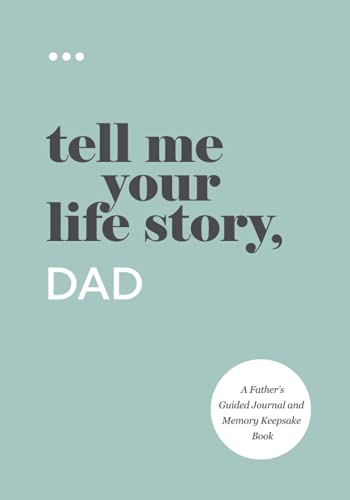
These books also have a grandparent version. Click the book to be directed to Amazon.

What is Your Net Worth?

Our family reunion was in July. Since then, I have spent weeks sharing and trading pictures with relatives as well as reviewing family history. These activities brought about some introspection. What have I done with my inheritance? What will I pass on to my children and grandchildren? Will my legacy have the same, less, or better value than the legacy I received from my ancestors?

If you have been following me, you know that I attribute much of my values, education, and outlook to the influence of my grandparents and great grandparents. From childhood through adulthood, these were the people who invested their time, talents, and treasures in me and my future. In fact, these were the people who passed on everything they had to the next generation since the 1800’s. Mostly, I remember the time spent with each of them. What precious memories!

As a curious and tenacious only child, I was constantly pursuing knowledge. I wanted to know what everything was and how everything worked or didn’t work. I always had a thousand questions about any given subject. Curiosity was my main character trait, but I can’t remember one time when I was turned away or dismissed by my elders. Oftentimes, they turned my questions into full-fledged lessons which was further than I wanted to go or know. I also remember lots of laughter, both with me and at me when I was feeling particularly silly. More than anything, I remember faith and spirituality, respect for the land and it’s produce, charity and community, stories and singing, and the sacred bonds of family. My life was made richer by their endowments. I’m positive the dividends of their net worth have been multiplied over many generations.

Being the creative writer that I am (LOL), you know I haven’t used all these financial terms to talk about money. The material possessions I have from my grandparents and great grandparents consist of a quilt, some china, a watch, a snake necklace set, and our written family history based on oral tradition. These are all priceless treasures to me, but their total appraised value probably wouldn’t surpass three thousand dollars. To be honest, I’m not sure my children and grandchildren will find much financial value in the material things I will leave behind. Yet, I am striving on a daily basis to leave them the most valuable things I have – a true legacy. My net worth has to be something that will endure and transcend time and place – something that can be passed on perpetually to next generations.

My godson really has a grip on this concept. He defines wealth this way: “The internal assets of meaning, purpose, and fulfillment my life generates, in my life and the lives of others.” (Yes, he is a deep thinker, and I’m so proud of him.) He has been quoted to say, “My life and the people I share it with is my wealth. Loving life is the goal!” So, when I hear the question: What is your net worth? I don’t think of my portfolio or my insurable assets. I think of those intangible benefits that I inherited from my ancestors such as becoming a life-long learner, understanding my own self-worth, being a contributor to the success of the next generation, instilling hope and administering love, demonstrating faith, and implementing such strong support that failures become steppingstones. As my godson says, “internal assets.” These things never lose their value. These things cannot be taken away. These things can be passed on from one generation to the next, and if nurtured can be the catalyst of a successful, fulfilled life.

I am so blessed to have the love and the spirit of my ancestors living inside of me. I am blessed to have experienced their living firsthand. My great grandfather, Will Jackson, the last of that generation, died the year after I got married, but I can still hear his stories; I can still hear his husky laugh and it warms my heart. I have no idea what the monetary value of his life was, but I am absolutely positive he left his children, grandchildren, and his great grandchildren everything he had which makes my net worth priceless.

I plan to continue the tradition. How about you? Do you know your net worth? How do you define wealth? What are you planning to leave the next generation? I’d love to hear from you.

Stay safe, stay invested, count your blessings!

Will Jackson
my great grandfather