
I have spent the better part of my life around my elders – my great grandparents, great aunts and uncles, grandparents, and the elderly members of my church and community. What I know now that I didn’t know then was each one of them gave me an intangible gift of their presence. I was never dismissed or overlooked by them, they made me feel important and interesting. Today, we call that “being seen.” We were not just physically together we were emotionally and spiritually together. They saw me and I learned to see them. They were fully present with me and that is a priceless gift that I still cherish to this day.
I remember fleeing the city and landing on my great aunt Katie’s porch. It was the one place I could go and feel safe and loved. We had an agreement that she would not tell anyone I was there. She and I would sit on the porch and talk until the lightening bugs came out. Sometimes we just sat and listened to the radio. I wrote lots of letters and sent lots of cards when I couldn’t leave the city. It kept our connection going even across the miles. I had the same kind of relationship with my great uncle Fred. I loved to hear the stories of his travels and his work. He is the only one of my relatives that drove all the way from Tennessee to California to see me. He and I shared a love of gospel music and antique things. I could tell these two people anything in confidence. They listened with their hearts and shared their lives generously. Lord, I miss them, but memories of their presence in my life brings me comfort and peace even now.
These days it seems that we spend far too much time and energy trying to give tangible gifts. We seem to believe material things are the best gifts. Perhaps we have been sucked in by the myriad of commercials that bombard the airways. Or perhaps it’s a matter of convenience, a quick transaction. It takes far less time to purchase a gift card than to sit and commune with someone. At any rate, we tend to use our purchasing power more than our interpersonal interactive power. Things get set aside, regifted, or simply forgotten over time. We tell ourselves it is the sentiment that counts, but is it really? How much more sentiment does the gift of one’s presence give?
Activities, conversations, and time spent together are invaluable. I love when we sit around the table or in front of the fireplace talking about our experiences and dreams. Conversations that trigger fond and intimate memories is a remarkable treasure. When we spend time laughing or crying with people it creates a special bond. When we share activities together like fishing, or making cookies, or patch working a quilt, or playing a board game, we create memories that can be treasured for years to come. After the gift card is spent, or the gift is exchanged or packed away, the moment fades away and becomes a vague recollection of the season or occasion of the little time spent with the people we associate with.
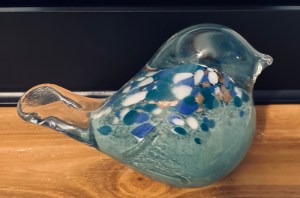
The tangible gifts we can recall are the gifts of thoughtfulness. Perhaps you received a handmade gift from your grandchild or a well-thought-out gift from a friend who knows all your favorite things. These kinds of gifts have presence attached to them. The giver knows you, loves you, and carefully chooses what they know you will like and cherish. For example, one of my dear friends and prayer partner gave me a beautiful glass bluebird last year. This year, she gave me an artist drawn calendar of birds for 2024. She knows I love birds and I’m an amateur bird watcher. There was no particular occasion, she saw these things and thought of me. Why? Because we have given each other the gift of presence for a number of years. She knows me. She cares for me. Just thinking of her right now brings a smile to my face. We have taken the time to invest in our friendship – real time and real communion.
It’s not too late to give the gift of presence to someone in your life. Perhaps there is that friend you have been meaning to call and catch up with. Perhaps there is a relative you saw at the last family funeral, and you said: “Let’s not meet this way again, let’s get together soon.” Perhaps there’s an elderly neighbor who could use a little company every week or so. Or maybe there is someone in your life who has given you the gift or their presence and you’ve not taken the time to tell them what they mean to you. The gift of presence is intangible. The value of presence is an indescribably investment – one that you can carry with you for the rest of your life.
Someone you know needs the gift of presence not because it’s the season of giving and getting, but because there is nothing like being known and seen, honored and appreciated, received and treasured. When you give the gift of presence you leave an indelible mark of true companionship and comradery that is priceless and continues to give for a lifetime. As long as you have breath, it’s never too late to give the gift of presence.
May the New Year bring you many gifts of presence and in this case, it really is better to give than just receive. Happy 2024.

 The Good Word