We Need More Storytellers

Isn’t it funny how things from your childhood pop up from time to time. I can remember friends and adults telling me, “You better quit your storytelling.” I grew up in a generation where you didn’t use the word “lie,” you were either fibbing or telling stories. Today, I consider myself a necessary storyteller. My medium is narrative poetry and prose. My stories are mostly fiction with real life as a backdrop (aka: representational literature). I tell my own stories and the stories of my ancestors. I tell stories with morals and stories just for shear entertainment, but mostly I tell stories to connect generations. Trials, triumphs, struggle, hard work, hopes, dreams, love, family – these are just a few timeless themes that can reach out and touch members of every generation. In this case, I’m not just talking about the written word, I’m talking about oral storytelling – stories in the midst of conversation. We need more of these kinds of storytellers in our world today.

You don’t have to be an author of books to be a storyteller. Your life is full of experiences and relationships that create a storytelling opportunity. The time you had your first kiss, when you found out you were going to have a brother or sister, what it was like when you moved from your parents’ home or went off to college – these milestones and more are stories waiting for you to tell them. Things we can identify with and learn from can be found in the lives of other people. That’s why so many people love to read memoirs, biographies, autobiographies, historical fiction and to watch documentaries. We are interested in how people made their dreams come true or how they survived a crisis or how they overcame the obstacles of systematic societal phenomenon. We are fascinated by love stories and the work ethic and processes of a visionary. We even live vicariously through the adventures and travels of others. Whether you think of your life as mundane or extraordinary, you have a story to tell that no one else can tell quite like you.

As I talk to teenagers and young adults it always surprises me that they feel like they have to go life alone. As older adults we tend to blame their feelings of despair and detachment on cell phones and social media, but that’s not really the problem. The problem is all of us. We don’t engage in conversations the way generations did before the technology boon. I remember when there was only two ways to find answers: ask somebody or read a book or both. You couldn’t get an answer without a story. Young people are facing some of the same experiences and fears that we all have had. They could benefit from hearing how we conquered our fears. They could be encouraged by the stories of how we had to start again and again before we got it right or how we had to reinvent ourselves to stay current in the industrial age. They could find hope in the fact that we had so little but still accomplish so much with that little. I’m not talking about preaching or even teaching, I’m taking about sharing, investing, and leaving an indelible mark. Youngsters, teens, and young adults are a ready audience for your stories.

While we have an open audience for our stories, we can also be an audience for the stories of others. I spend a lot of time with people older than me. In fact, that’s part of the story of my life, I have always been around people much older than myself. Years ago, and today I learn so much from the older generation. Innumerable stories about the Great Depression, the First Pandemic, moving from the South to the North, domestic jobs, civil rights activism, faith, answered prayers, living among the famous, surviving wars, and so much more have been shared with me. Fascinating tales of trials and victories, love and family, death and hatred that I have not experienced except for someone being willing to share their story with me. Older adults love to talk about the “good ole or bad ole days.” Many of them are from the generation when conversation was the normal way of life. Conversation was the medium for obtaining news because everyone didn’t have radio or TV. Some of them could catch up on the party line (old fashion telephone network when several people shared the same line), or in the church yard, or the quilting bee, or the fields during harvest, or at the civic meetings held in the schoolhouse. They shared everything from obituaries to new births by talking to each other. Almost everything in the community traveled by word of mouth, and they haven’t forgotten a single word. Trust me, there are stories you need to hear from the senior adults in and around your life. Listening can bring joy to the teller and the listener.

Long ago, I ignored those persons who told me to stop telling stories. I don’t want to stop. I want to continue telling stories and listening stories. Stories make you laugh, cry, reflect, dream, remember and imagine. Stories help you empathize and sympathize with the life journey of others. Stories can bring healing and understanding as well as open up new avenues of knowledge for the listener. Stories form a union between the teller and hearer, an intimate bond over a shared experience. Stories are our legacy – the part of us that will live on after our transition to the world beyond. The world needs more storytellers. Are you willing to share your stories? Do you have an audience just waiting for you to begin the small tales and the large volumes of your life’s journey? Have you been privy to stories you can retell so that the legacy of the original storyteller live on? I’d love to hear from you. Tell me your story.

“Storytelling is important. Part of human continuity.” – Robert Redford

Building Generational Bridges

I have been so blessed to have experienced the lives of my great grandparents and grandparents. So many people have not had the opportunity to share their lives with multiple generations. Recently, I realized that my grandchildren are enjoying the multi-generational experiences that I had, but they are also bridging all of our experiences together. They have me (their paternal grandmother), my mom (their great grandmother), and they also have grandparents and great grandparents on their mother’s side of the family. Up until 2007, they also had their great great grandmother, my mother’s mother. Each one of these generations have contributed a wealth of knowledge, perspective, and vantage points for this group of Gen Z’s.

To be honest I hate all the labels. Gen Z, Gen Y, Baby Boomers, Traditionalists, etc., but apparently we need them to distinguish and define the population. Sometimes these labels keep us from building the bridges that are needed to develop hope and character in the next generation. Where do we learn survival? Where do we learn perseverance? What do we we learn tenacity? Where do we learn identity? (Certainly, we can pick up a host of negative things too, but I choose to focus on the positive.) We can learn all these things from the generations that went before us.

The good news is, it’s not limited to relatives. In addition to all my ancestral family, their friends also invested in my growth. I fondly remember all the little old ladies from my great grandmother’s community and my grandmother’s church giving me some coins to spend on candy and a few lessons in modesty. I still have a beautiful handkerchief collection to remember many of them by along with their perspective on being a lady. (A perspective a born tom-boy needed, I suppose.)

When I lived in California, I was involved in a program called “Adopt a Grandparent.” The program was for first time juvenile offenders. The idea was to get them involved in community service that focused on something other than themselves and the issues that led to their legal troubles. The young people were assigned to spend several hours per week at a nursing home playing games with the elders such as checkers, chess, bridge, and bingo. Interestingly, most of the teens didn’t know how to play these games and had to be taught by the elders.

We learned so much as program leaders. One, our elders had no filters. They asked questions and made statements about the teens legal affairs that none of us expected. “What you in trouble for?” “Well, that wasn’t too smart, was it?” They also shared some of their own illegal dealings and close calls with the teens. The elders were one hundred percent committed to communicating with the young people they were assigned; not because they were in trouble, but because they were somebody’s children or could have been their child.

The young people (the majority, not all) became interested in the elders because of their stories about the bootleg era, number runners, big band music, and conk hairstyles. (If you don’t know what some of these things are, you need to spend some time with some elders.) Some of the teens actually showed up on days when they were not assigned to attend. Many brought presents to their elder counterpart. The relationships became intimate and long lasting in some cases. A generational bridge had been formed especially for those youth who never had grandparents around.

My grandchildren have enjoyed old-fashioned tea parties with real tea and crumpets. They have worn wide men’s ties with three piece suits. They have picked and ate blueberries right off the bush. They have danced to the boogie-woogie music of two generations. They have eaten tomato sandwiches while looking at pictures that date back to the first cameras. History has been stories told to them by relatives who lived it, rather than simple book information. Imagine what my grandchildren believe they can do because of their heritage. Imagine how their worldview has evolved because of their experiences and conversations with multi-generations. This is a bridge that continues to extend into the future.

Last week was a very difficult week for my mom. She lost three very dear friends, each from a different part of her life before the pandemic. They had made every effort to stay in touch over the phone and virtual platforms. Stricken with grief, my mom wanted to reminisce, sharing the memories of each one of her friends with me. Thankfully, I am active in my mother’s life so I knew them to some extent. Sharing those memories added to the bridge between us. It gave me new and different perspectives of my mother’s life, the things she enjoyed, and some of her post-pandemic dreams. Memories keep our friends and family alive for the next generation.

Our multi-generational family has made a consistent effort to build bridges with the elders in our community during the pandemic. The ties have not been just to offer some comfort or a social outlet to our neighbors and friends. It has been to continue building the bridges. Bridges that bind the beloved community together for all time. Bridges that will invest courage, stamina, and wisdom into the next generation. Bridges that will carry the living history forward even when the elders are gone and the next group of elders move into place.

You don’t have to be related to build some bridges. You just have to realize how important the connections are between one generation and the next.

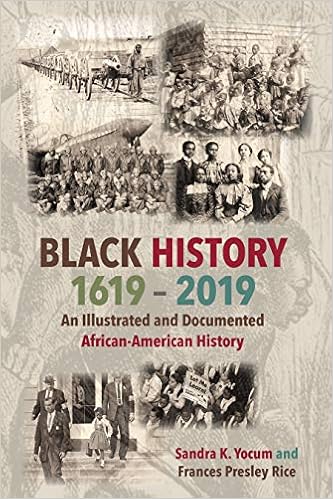
This book is designed to restore the integrity of African-American history and is based on extensive research and documentation related to the African-American experience from the era of slavery until modern times. In this landmark book, Amazon.com

Stay safe! Stay sane! Build bridges!

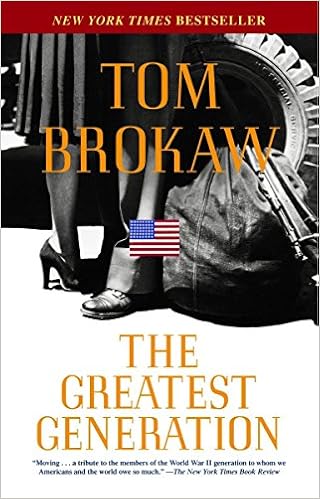
In this magnificent testament to a nation and her people, Tom Brokaw brings to life the extraordinary stories of a generation that gave new meaning to courage, sacrifice, and honor. Amazon.com