Beware of Labels

Most of you know I don’t like the identity labels used to determine what generation someone belongs to i.e., GenX, Millennials, Gen Z, Silent Generation, etc. However, this post is not about those labels. This post is about a different kind of label. I think I’ll call these “pigeon-hole labels.” Here’s a definition I got from the internet for pigeon-hole: “disapproving – used to say someone or something is unfairly thought of or described as belonging to a particular group, having only particular skills, etc.” (www.britannica.com) One example of this is to say, “Everyone who is homeless has a mental illness.” This is unfair and an untrue descriptive statement. Mental illness becomes a pigeon-hole label for the homeless people. It becomes a way to disapprove of two separate groups by pairing them together,

Working in the school system for many years I readily admit I have heard, accepted, and used labels indiscriminately. Yet, I am most bothered by students using negative labels about themselves or other students. They call themselves dumb, clumsy, and ugly. I’ve also heard students call other students crazy, stupid, and trolls. There was one student in my class that the other students called The Thing (ref. The Fantastic Four). It was not a term of endearment. He was taller than all the other children, overweight, and academically behind. One day when we were outside, I asked him why he wasn’t playing with the other kids. He said he was tired of chasing them around. I said then play something different. He said I can’t they only let me be the monster. He spent the rest of recess sitting on the sidewalk watching the other kids play. It was sad that the other kids called him a monster, but it was sadder still that he accepted this label.

As adults we must become more aware of how we use labels. People have so many attributes. No one label is ever enough to describe someone. While a family may be poor, they may also be resilient. A person with a learning disability may also be the most caring and giving individual in the room. A person who enjoys physical activities may not have any desire to be an athlete, they may choose to be a math whiz instead. We must be careful not to make one label so big that a person cannot see themselves in a different light.

There is a music video I love, it shows children and young adults holding signs with descriptive negative labels such as “Lost, Rebellious. Worthless” in front of their sad faces. At the end of video, as the song progresses, those labels are changed to more positive descriptions such as “Triumphant, Forgiven, Victorius.” These positive labels are held under smiling faces. (https://youtu.be/xctUxzZhNRs). Last week I shared this video with a friend and colleague. In turn she shared a story with me. It was about a boy who used to attend the afterschool program at the Boys and Girls Club. One day he saw a sign that said they served “disadvantaged youth.” He said that was when he discovered he was “disadvantaged.” Although he laughed when he said it, it was obviously painful to him. My friend said she felt an immediate conviction. I replied, “Labels are hard to outlive and stick until corrected by someone in authority.” I shared my friend’s conviction.

No one wants to be pigeon-holed, but too many people are, especially youth and young adults. They are not all hoodlums, gangsters, lazy, entitled, selfish, losers. When we as adults affirm negative labels, we are guilty of destroying hope and vision. We are guilty of damaging the self-worth of another individual regardless of age. This is not the way of our ancestors. This is not the way to build community.

The so-called Silent Generation (my mom’s generation) spoke success over their children, the Baby Boomers (my generation), and the Baby Boomers promoted adventure and prosperity in the lives of the Gen-Xers (my sons’ generation). What is being spoken over the next generations? Is it hopeful, redeeming, transforming, or visionary? Does it build up self-worth and security in one’s identity? Or does it bring shame, insecurity, and rejection? Beware of labels; they have the power to build up or tear down.

It would be interesting to see what labels we carry around about ourselves. As you ponder your labels, imagine what labels your children and grandchildren carry with them every day. It may give you a chance to change their perspective by giving them some new positive and true labels. You have the power to influence character.

Be caring. Be wise. Be selfless. Be the best you can be.

Confronting Grief

Every day for the last few weeks I’ve been thinking about writing something for the blog, but the only thing that came to mind was the word grief. Well, of course, that’s not what I wanted to write about. Grief is depressing and I want to write something to lift people up, not bring them down. So I wrestled with myself until I gave up. Grief is on my mind, so I might as well share. As I chat with others, I found out that grief is not only on my mind, but it’s also on the mind of many others.

First, a disclaimer. I am not a counselor. I am not a life life coach. I am a writer always trying to capture a thought in print. I write from within my own heart and I write from all of my senses and experiences. So please if you need help with grief, seek a professional counselor (I do), but if you need some help putting words to your thoughts and feelings, then this may help.

My understanding of grief is that it is an emotional and mental reaction to loss, whether that loss is actual or perceived. So right now, we are living in a grieving society. People have lost their loved ones to COVID and other illnesses at a time when hospital visits and stays with family is restricted. People have lost jobs and businesses. People have lost their rituals and routines. Some have even lost their identity as it was tied to their career or their status and position in life. Children are missing their friendships. Graduates feel cheated out of their celebrations. Grief is all around us. We have been blind-sided by multiple losses, and recovery is uncertain in this far-from-normal environment.

So how do we deal with all this grief? First, we must be honest about it. Pretending we are not sadden by the events of our lives since March is only going to make it worst. When we ignore our thoughts and feeling, they have a way of showing up in our sleep patterns, our appetites, and our relationships. My husband’s biggest pet peeve is when he says, “What’s wrong?” and I say, “Nothing!” when there is obviously something wrong. We can lie with our lips, but not with our hearts. Our subconscious brain is working to solve the problem even when we are in conscious denial. Grief is a natural response. We can admit it. We can share it. We can help each other get through it when we expose its existence.

Secondly, we can release our emotions. It’s okay to cry, to pound the desk, to scream, punch a punching bag, and most importantly to discuss your feelings. Sometimes, I say, “I don’t want you to say anything just listen. I need to talk about how I feel.” We all need someone who will actively listen to us, lend us a shoulder, or simply be present with us as we go through life’s journey. When we don’t take the time to purposely express what we are feeling, it will show up at an inopportune time. We end up showing anger to someone who doesn’t deserve it, or crying uncontrollable when the occasion calls for laughter. Find a time and a place to release your emotions; to share your feelings. Others will understand. Mostly likely, they will identify during this time of pandemic and protest.

Lastly, a suggestion that sounds so cliche, I almost don’t want to write it. “Count your blessings.” As I have reflected on grief these last couple of weeks, I found myself going down the complaining-murmuring road. After a while everything was colored with the crayon of doom and gloom. I found myself sitting in front of the TV news much too much. I found myself isolating from the family I live with. I found myself not wanting to get out of bed. Everything was wrong, nothing was right. That’s a very dangerous place to be. That’s a mental health trap. Thank goodness, someone reminded me to count my blessings. Literally, I counted my blessings. (We talked about a thankful journal before. A thankful journal is very therapeutic.)

I wrote down all the things I was thankful for, all the physical, financial, spiritual, emotional, and mental blessings I could think of in that moment. Everything was not going to hell in a hand basket. Everything was not awful. There was lots of good, wholesome, healthy, and joyous stuff – people and things – in my life. In the midst of my losses, there were some great gains. I won’t name them all to you, but suffice it to say, I found a few reasons to smile.

I hope this reflection on grief is helpful to someone. You are not alone. Grief is taking its toll on our world right now. In the midst of it, remember it hasn’t taken everything. If you are reading this, you have the ability to see, to understand, to critique (lol), to feel. If there is anyone you can call, you have a friend or family member available to you. If there is a path or a sidewalk nearby, you can experience nature, you have the ability to move around whether by legs or wheelchair. Share your grief in community. Share your joys in community. Count your blessing in community. It’s in community that we will heal!

Continue to confront life and be safe!

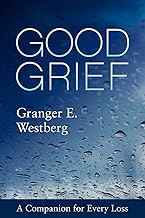
Good Grief: A Companion for Every Loss
For more than fifty years Good Grief has helped millions of readers, including NFL players and a former first lady, find comfort and rediscover hope after loss. Amazon.com
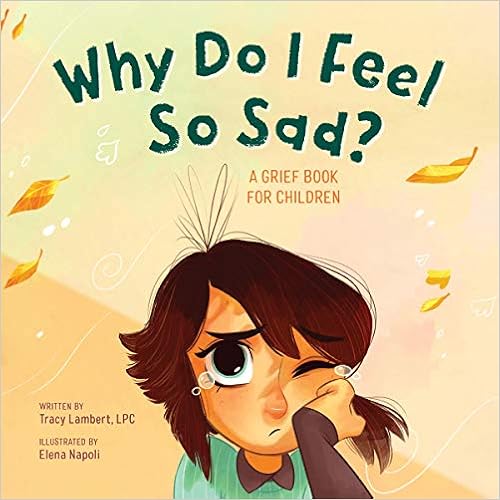
Broad enough to encompass many forms of grief, this book reassures kids that they are not alone in their feelings and even suggests simple things they can do to feel better, like drawing, dancing, and talking to friends and family. Amazon.com